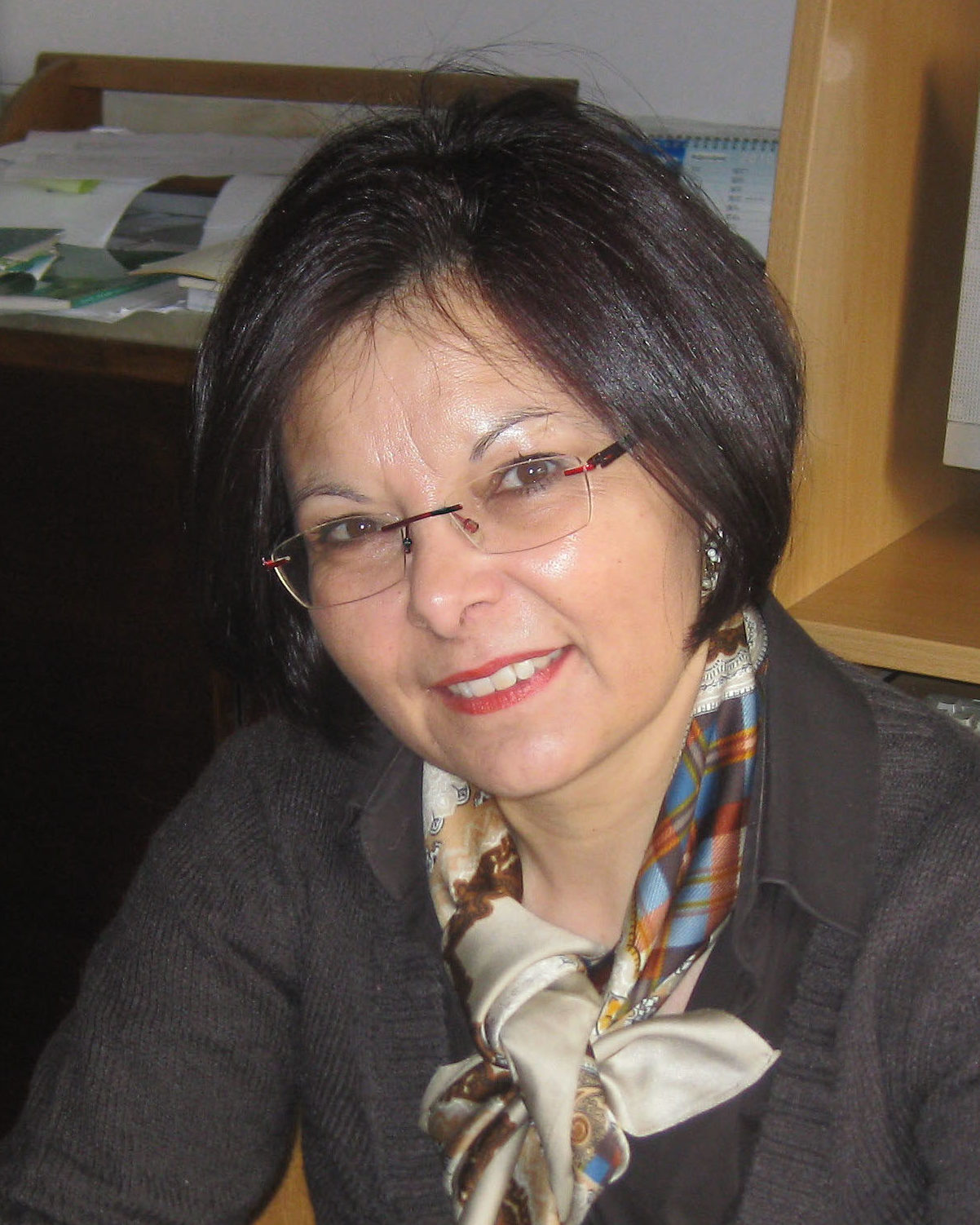
Paulo C. DE MORAIS (H-62), PhD, was full Professor of Physics at the University of
Brasilia (UnB) – Brazil up to 2013, Appointed as UnB’s Emeritus Professor (2014),
Appointed as Guest Professor of Huazhong University of Science and Technology – China
(2011), Visiting Professor at Huazhong University of Science and Technology (HUST) –
China (2012-2015), Appointed as Distinguished Professor at Anhui University (AHU) –
China (2016-2019), Appointed as Full Professor at Catholic University of Brasília (UCB) –
Brazil (2018), Appointed as CNPq-1A Research Fellowship since 2010. 2007 Master
Research Prize from UnB, 2008-member of the European ERA NET Nanoscience
Committee, Member of the IEEE-Magnetic Society Technical Committee, Senior Member of
the IEEE Society, 2012 China’s 1000 Foreign Expert Recipient, and 2012 Academic
Excellence Award from Brazilian Professor’s Union. He held two-years (1987-1988) post-
doc position with Bell Communications Research – New Jersey, USA and received his
Doctoral degree in Solid State Physics (1986) from the Federal University of Minas Gerais –
Brazil. He graduated in both Chemistry (1976) and Physics (1977) at UnB. Professor Morais
is member of the Brazilian Physical Society and the Institute of Electrical and Electronics
Engineers – IEEE. He has served as referee for more than 50 technical journals, takes part of
the Editorial Board of more than 15 technical journals and has conducted research on
nanomaterials for over 40 years. He is known for his research in preparation, characterization
and applications of nanosized materials (magnetic fluid, magnetoliposome, magnetic
nanoemulsion, magnetic nanocapsule, magnetic nanofilm, magnetic nanocomposite,
nanosized semiconductors, polymeric dots, carbon dots, and graphene quantum dots). With
more than 500 published papers in peer reviewed journals, more than 14,500 citations, about
300 international invited talks (35 countries), and 16 filed patents. He has appeared in recent
World ranking of top scientists, such as 2020-Stanford, 2022-Research.com, 2023-AD
Scientific Index, 2023-Research.com, 2024-Elsevier, ONE Research Community, 2025-AD
Scientific Index, 2025-Research.com, and 2025-Stanford-Elsevier.